

The Human Factor in Agile
While technology plays a crucial role in agile, it's the people aspect that often gets overlooked. Effective agile implementation requires a deep understanding of human behavior, communication, and motivation.
Kanban: A Visual System for Work Management
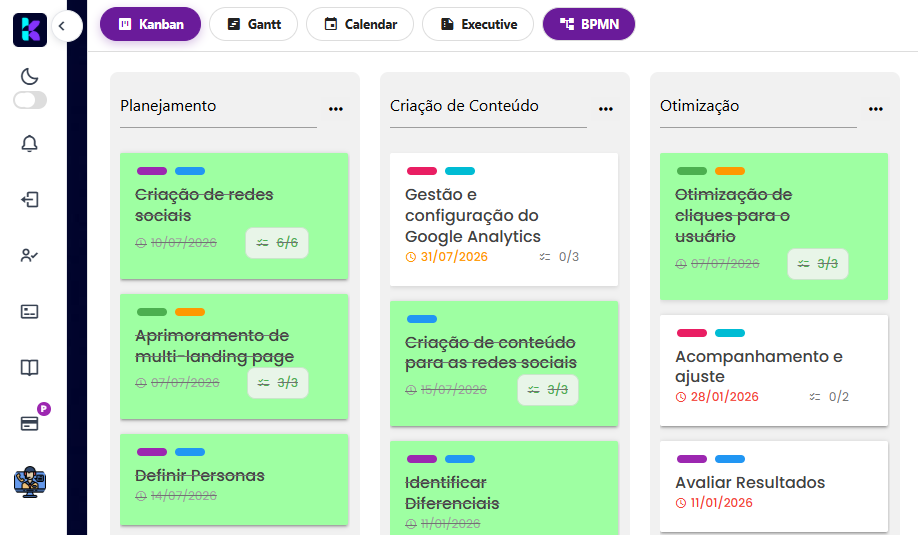
Kanban is a simple yet powerful tool for managing work. By visualizing the workflow, teams can identify bottlenecks, optimize processes, and improve delivery times. Key Kanban principles include:
- Visualization: Using boards, charts, or diagrams to represent work
- Limit WIP: Restricting work-in-progress to prevent overloading
- Flow: Focusing on continuous delivery and improvement
- Feedback: Encouraging continuous improvement through feedback loops
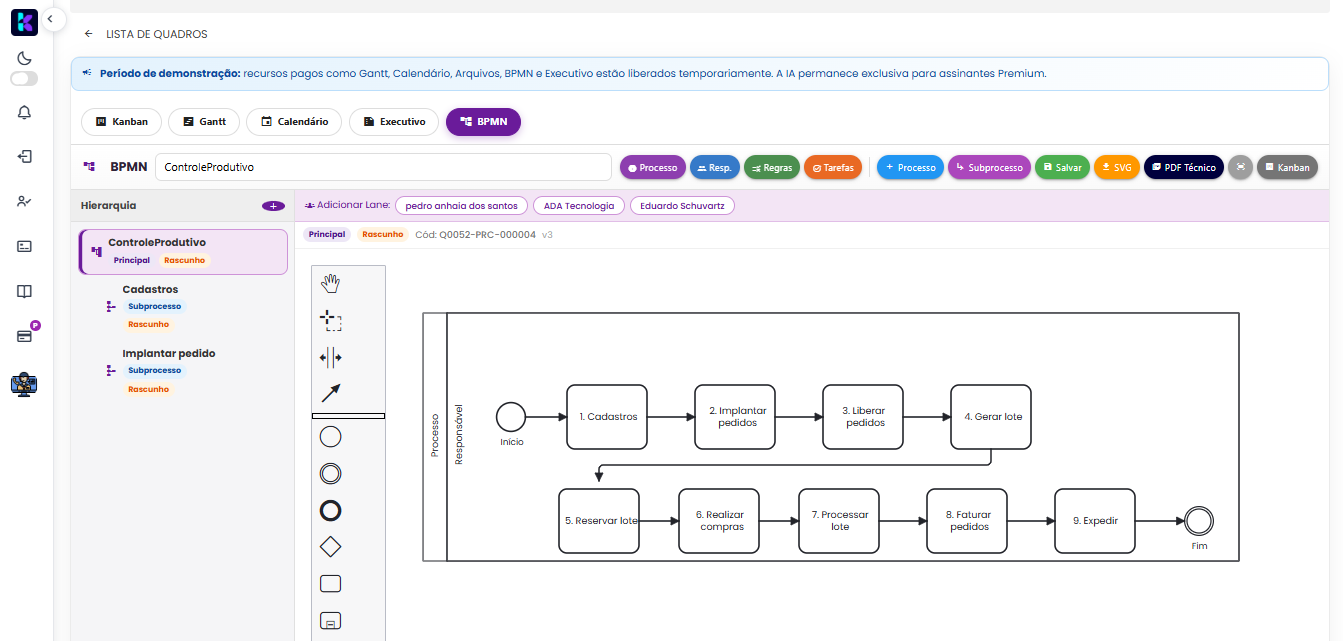
BPMN: A Standard for Business Process Modeling
BPMN (Business Process Model and Notation) is a standard for modeling business processes. It provides a graphical representation of processes, enabling teams to design, execute, and improve processes more efficiently. Key BPMN elements include:
- Activities: Representing tasks, events, and gateways
- Gateways: Controlling the flow of processes
- Events: Representing triggers, exceptions, and milestones

Integrating Kanban, BPMN, and Agile
By combining Kanban, BPMN, and agile principles, teams can create a powerful framework for workflow management and process improvement. This integration enables teams to:
- Visualize and optimize workflows
- Model and improve business processes
- Focus on continuous delivery and improvement
Conclusion
Agile methodologies, Kanban, and BPMN offer a powerful combination for improving team productivity and workflow efficiency. By understanding the human factor, visualizing work, and modeling business processes, teams can create a more agile and responsive organization. To learn more about how Kanbada, a platform integrating Kanban, Gantt, and BPMN, can help your team achieve these goals, visit our website.