

Effective team management requires a delicate balance between attributed and induced responsibility. Attributed responsibility refers to the delegation of tasks and authority to team members, while induced responsibility involves creating an environment that encourages individuals to take ownership of their work.
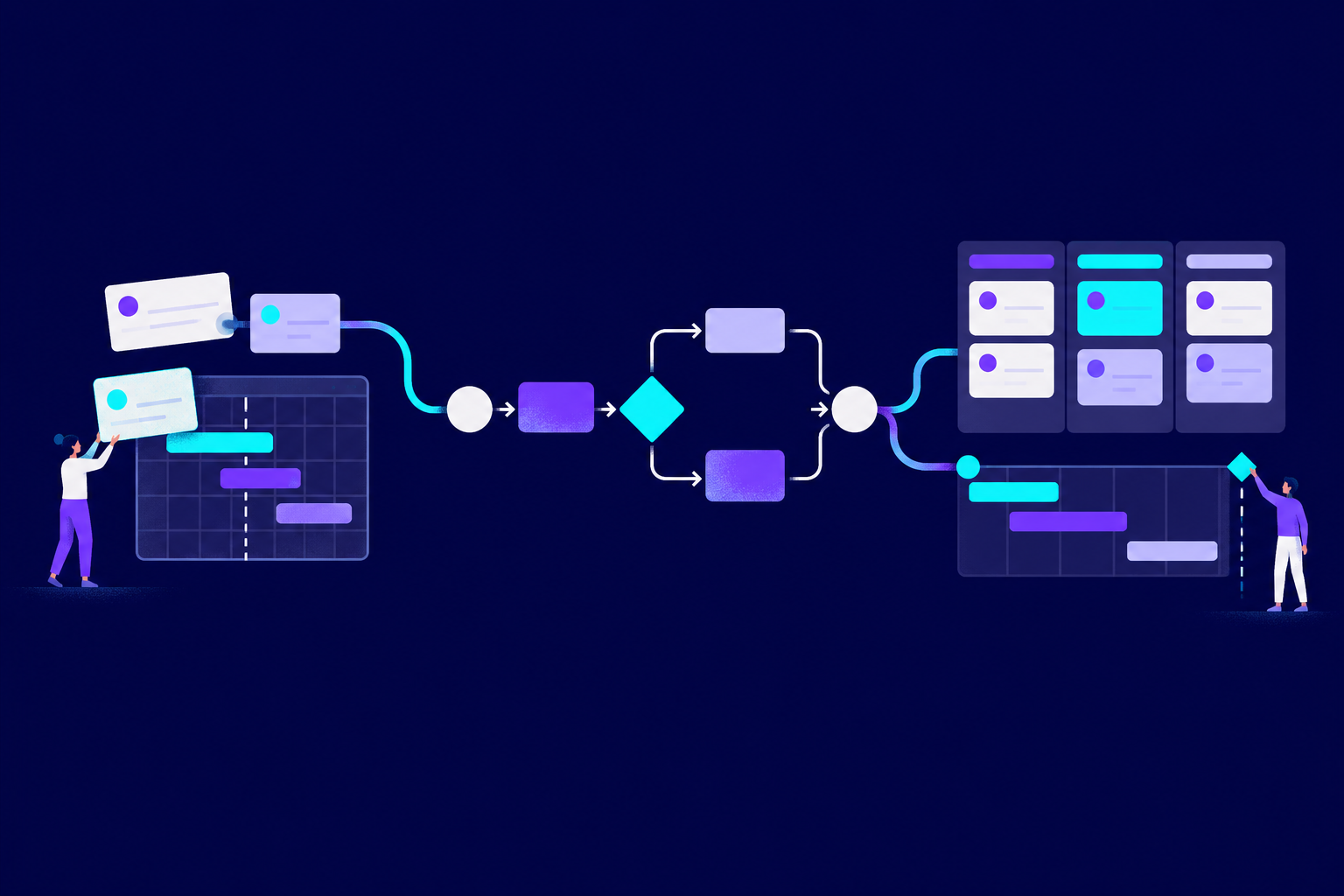
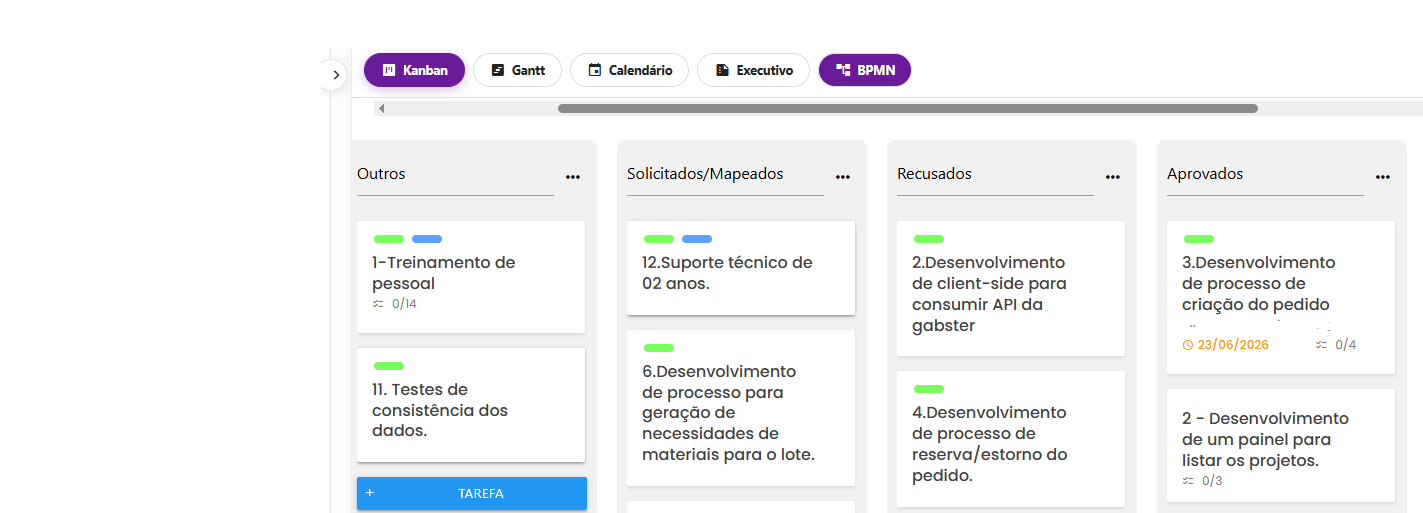
Kanbada, a platform that integrates Kanban, Gantt, and BPMN, can help you achieve this balance and mature your team.
Understanding Attributed Responsibility
Attributed responsibility is often associated with traditional hierarchical structures, where managers assign tasks and authority to team members based on their role or position. While this approach can be effective in the short term, it can lead to a lack of accountability and a culture of blame when things go wrong.
To overcome this, it's essential to adopt a more distributed approach to attributed responsibility. This involves empowering team members to make decisions and take ownership of their work, while still providing guidance and support when needed.
Induced Responsibility: Creating a Culture of Ownership
Induced responsibility, on the other hand, focuses on creating an environment that encourages individuals to take ownership of their work. This can be achieved through various means, including clear communication, regular feedback, and a sense of autonomy.
When team members feel a sense of ownership and accountability, they are more likely to take responsibility for their work and strive for excellence. This, in turn, can lead to improved productivity, better quality, and increased job satisfaction.
How Kanbada Can Help
Kanbada's integrated platform provides a range of tools and features that can help you foster a culture of attributed and induced responsibility. With Kanbada, you can:
- Assign tasks and authority to team members based on their strengths and weaknesses
- Create a visual board to track progress and identify areas for improvement
- Establish clear goals and objectives, and track progress towards them
- Provide regular feedback and coaching to team members
- Monitor and analyze team performance to identify areas for improvement
Benefits of Using Kanbada
By using Kanbada, you can expect to see several benefits, including:
- Improved team productivity and efficiency
- Increased job satisfaction and engagement
- Better quality and reduced errors
- Enhanced collaboration and communication
- Improved decision-making and problem-solving
Conclusion
In conclusion, attributed and induced responsibility are essential components of effective team management. By understanding the difference between these two concepts and adopting a more distributed approach to attributed responsibility, you can create a culture of ownership and accountability in your team.
Kanbada's integrated platform provides a range of tools and features that can help you achieve this goal. With Kanbada, you can assign tasks and authority, create a visual board, establish clear goals, provide feedback, and monitor team performance. By using Kanbada, you can expect to see improved team productivity, increased job satisfaction, better quality, enhanced collaboration, and improved decision-making.
To learn more about how Kanbada can help mature your team, visit our website and explore our platform today.